The Specificity Deficit: Why Vague Brand Claims Are Costing More Than Marketers Realise
Across sportswear and apparel markets, vague performance claims are generating hidden commercial costs. The brands building durable credibility share one trait: specificity.

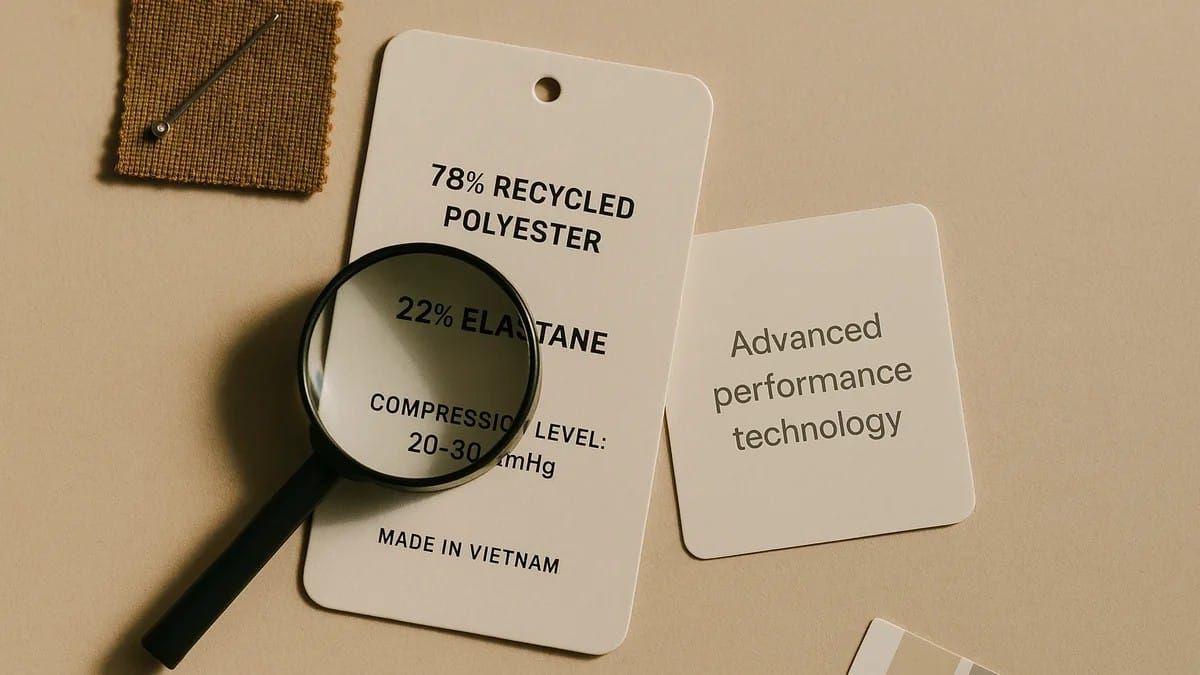
Walk the floor of any major sporting goods trade show and a pattern emerges almost immediately. Every brand speaks fluently in the language of performance, innovation and commitment. Compression fabrics that transform recovery. Moisture management systems that keep athletes at their peak. Sustainability pledges stretching to 2030 and beyond. The vocabulary is confident, the imagery polished, and the claims — almost uniformly — impossible to verify on the spot.
This is where consumer trust begins its slow erosion.
Across sportswear, apparel and equipment markets, a widening gap has opened between what brands assert and what products demonstrably deliver. The consequences, once considered a reputational footnote, are increasingly legible in return rates, repeat purchase data and the accelerating credibility of third-party review. The brands navigating this shift most successfully share a common characteristic: they have replaced aspiration with specificity, and in doing so, converted transparency from a communications liability into a durable commercial asset.
The Baseline Has Shifted
A decade ago, ambitious marketing language carried relatively limited risk. Consumers had fewer tools to cross-reference claims, peer review was fragmented, and investigative scrutiny of brand practices was largely confined to major controversies. That environment no longer exists.
Access to independent testing, product comparison platforms and detailed consumer reviews has recalibrated what buyers expect from brand communications. Specificity is now the standard against which claims are measured. A brand that describes its fabric as offering "superior moisture management" without specifying the test methodology, conditions or comparative benchmark communicates, in practice, very little — and informed consumers recognise this.
The shift matters commercially because scepticism compounds. A consumer who purchases a product expecting one performance characteristic and receives another does not necessarily return it or lodge a complaint. More often, they simply do not return. The reputational damage is real but invisible in complaint data, which is precisely why it tends to be underestimated by the marketing departments responsible for setting those expectations in the first place.
Where the Damage Accumulates
Reputational erosion through vague or misleading communication rarely announces itself. It accumulates in the gap between marketing language and lived experience, and it is particularly visible in product categories where technical claims are both common and difficult for consumers to evaluate independently.
Performance apparel is an instructive example. Claims around compression, thermal regulation and UV protection are standard across the category. Where these claims are accompanied by recognised test standards — a UPF rating certified to a specific protocol, for instance — consumers have a meaningful reference point. Where they are not, the language functions more as atmosphere than information. Over time, consumers develop calibrated scepticism toward categories where this pattern repeats, which creates a credibility problem for brands that do communicate specifically.
Sustainability presents an even sharper version of this dynamic. Terms such as "eco-friendly", "responsible" and "planet-conscious" have been applied across the apparel market with such inconsistency that they have lost much of their functional meaning for a substantial portion of the consumer base. A brand that deploys this language without specifying the baseline, measurement criteria and scope of its claims is not communicating a commitment — it is contributing to the ambient noise that makes genuine sustainability claims harder to believe.
Specificity as Strategy
The brands that manage this landscape most effectively are not necessarily those with the strongest ethical records. They are those that communicate with sufficient precision to be accountable.
Nike's engagement with supply chain scrutiny provides a useful illustration. Facing detailed and sustained public questioning over labour standards and environmental impact, the brand's more credible response has involved specific targets, measurable progress indicators and — critically — honest acknowledgement of areas where progress has fallen short of original timelines. This approach does not eliminate criticism. What it does is create a framework for genuine accountability, which aspirational messaging without measurable commitments fundamentally cannot provide.
New Balance offers a different but related example. Its US-made product range is built on a specific, verifiable claim: certain products are manufactured in identified domestic facilities. The precision of this commitment — including transparency about which products qualify and which do not — generates credibility that a vague statement of domestic values would not sustain. The specificity is the point.
Mizuno's reputation in running and racquet sports follows a third trajectory. Built over decades through consistent independent performance assessments rather than marketing campaigns, its credibility is cumulative rather than constructed. This is the most durable form of brand reputation, because it is grounded in evidence that the brand itself did not produce.
The Internal Architecture of Honest Communication
Transparency as a sustained brand characteristic is not primarily a communications decision — it is an operational one. Brands that communicate consistently and accurately over time tend to have internal processes that evaluate claims before publication, track real-world product performance and treat consumer feedback as substantive input rather than reputation management material.
This requires accepting that some negative information will reach the public, and responding to it honestly rather than defensively. A brand that acknowledges a product has underperformed in a specific application and explains the steps it is taking in response demonstrates more credibility than one that disputes all adverse feedback or curates its review environment to suppress it.
At the level of individual product listings, this discipline shows up in practical and often undervalued detail. Accurate size guidance with real measurement data rather than broad category descriptions, complete materials listings, honest fit notes for different body types — these are not peripheral concerns. In apparel specifically, sizing inaccuracy is a persistent and measurable driver of returns, and brands that address it clearly are solving a transparency problem with direct commercial consequences.
The Competitive Advantage Hiding in Plain Sight
The evidence from sportswear and performance categories consistently points in the same direction: brands with verifiable claims, honest product communication and genuine accountability mechanisms retain informed customers at higher rates and face lower costs from returns, complaint escalation and reputational defence.
This is not a coincidence. It is the predictable outcome of aligning what a brand says with what its products actually deliver.
For brands willing to examine that gap honestly — and to close it through more precise communication, better product development or both — transparency is less a constraint than an advantage that remains, for now, surprisingly underused.
The window for treating specificity as a differentiator will not stay open indefinitely. As consumer tools for verification improve and independent review becomes more structurally embedded in purchase decisions, accurate communication will shift from competitive advantage to entry requirement. The brands best positioned for that transition are those building the internal discipline for it now.
This editorial is part of Review-It's ongoing series examining how brand communication practices shape consumer trust across sportswear and performance apparel categories.
Read More
This article has been published across multiple platforms. Read it where you prefer:
About Review-It
Review-It is an independent UK review publication covering products, brands, and the review industry itself. Every article follows a published methodology, is written without sponsorship, and is corrected openly when we get things wrong.