Why Karate Practitioners Need to Stop Shopping in the Wrong Aisle
Generic compression tops are engineered for running and cycling — not karate. A breakdown of what gi training actually demands from a base layer, and which brands deliver it.


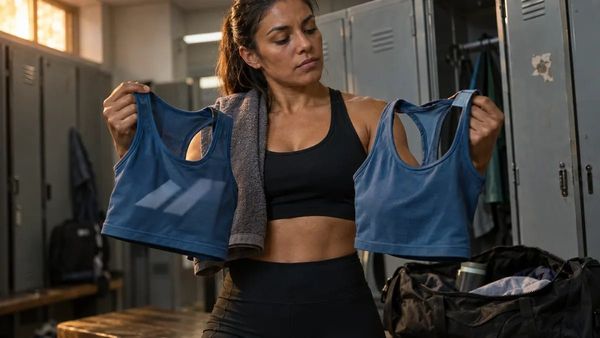
Walk into any mainstream sports retailer and the compression wear section is extensive: stacked by sport, by season, by fabric weight. Running tights, cycling base layers, gym tops engineered for lat pull-downs and bench press. For the recreational karate student heading in to pick up something to wear beneath their gi, the choice looks abundant. In practice, almost none of it is fit for purpose.
This is the category mismatch that sits quietly at the centre of a common training frustration. Practitioners invest in a quality gi, buy appropriate footwear for competition, maintain their equipment with care — and then pull on a compression top designed for a 10k runner and wonder why it rides up halfway through a low stance sequence, or why the collar bunches visibly above the lapel during kumite. The problem is not with compression wear as a category. The problem is with the assumption that one compression top serves all sports equally.
The Movement Problem That Generic Brands Ignore
Karate places a very specific set of demands on any upper-body garment. During kihon practice, techniques are extended fully and held momentarily at the point of completion. The torso rotates, the shoulders drive forward and back, and deep stances flex the hips well beyond what running or cycling mechanics ever require. A compression top that sits at the natural waist when standing will almost certainly pull free of the belt line by the time a practitioner drops into a deep zenkutsu-dachi.
Kumite adds a further dimension. Partner contact — grips, incidental sleeve pulls, body pressure during close exchanges — puts the garment under stress that a running top is simply not constructed to handle comfortably. The seam placement that is perfectly adequate for a solo sport can become a friction point in a contact context.
Fabric choice compounds the issue. Cotton-blended garments, still common in mainstream sportswear, retain moisture against the skin rather than transporting it away. Karate training sessions move between short bursts of intense activity and periods of relative stillness during instruction. A garment that cannot manage heat and moisture across those transitions will reduce comfort noticeably, particularly in a dojo that runs warm.
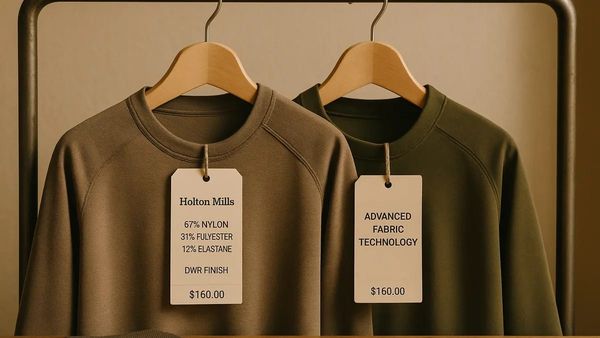
The technical baseline for a karate compression top is clear: sufficient torso length to remain tucked through full hip flexion, a neckline low enough to sit beneath the gi lapel without appearing above it, four-way stretch that accommodates full shoulder rotation, and a fabric construction — typically high polyester or nylon content with elastane — that manages moisture effectively and maintains its properties through repeated laundering.
The Sleeve and Collar Decision
Among all the design variables, two tend to determine whether a compression top works in a karate context: sleeve length and collar height.
Short-sleeved options are the more practical choice for the majority of training situations. They eliminate the risk of sleeve creep during technique, allow airflow to the forearm, and create no bunching beneath the gi sleeve. Long-sleeved alternatives are preferred by some practitioners training in colder environments, but they demand precise sizing — a sleeve that is even marginally too long will migrate during training in a way that becomes difficult to ignore.
Collar height is perhaps the more consequential decision in formal and competitive settings. A mock-neck or stand-up collar will protrude above the gi lapel and is likely to attract comment from instructors or, in competition, from officials reviewing kit compliance. Most practitioners affiliated with traditional style associations, or competing under national federation rules, will want a crew or low round neck that sits cleanly beneath the gi neckline regardless of movement.
Brands That Understand Gi Training
Four brands are worth serious consideration for practitioners shopping specifically for karate use, and each occupies a slightly different position in the market.
Blitz Sport is among the most widely recognised martial arts equipment suppliers in the United Kingdom, and their compression range reflects that background. Torso proportions are designed with gi wear in mind, necklines tend to sit appropriately low, and the polyester-elastane construction manages moisture adequately for most training intensities. Durability through frequent washing is consistently well-reported. For practitioners new to compression base layers, Blitz represents a sensible and accessible starting point.
Kamikaze carries considerable heritage in European competition karate, best known for gi construction that has equipped national-level competitors across multiple decades. Their base layers carry a slightly heavier fabric weight than some alternatives, which provides a more structured feel and durability in exchange for running a little warmer under intensity. The brand is positioned toward intermediate and advanced practitioners rather than the beginner market, and is most relevant for those who already train in Kamikaze gi and want a cohesive kit setup.
Wacoku has built a strong reputation in the UK competition scene, particularly around WKF-style kumite and kata. Their compression garments tend toward lighter fabrics suited to fast-movement training, and their sizing across junior categories is notably more considered than most. For parents sourcing base layers for young competitors — or for practitioners whose training is oriented around WKF competition standards — Wacoku is a particularly logical choice.
Adidas Karate operates as a distinct line from the brand's general sportswear, developed with input from competitive athletes and engineered around the sport's actual movement demands. Flatlock seam construction reduces friction during partner contact, fabric weight is kept light for effective moisture transport, and fit is designed to accommodate the shoulder flexibility that karate technique requires. The price point is higher than the alternatives, and for recreational students training once or twice per week the premium may not translate into any perceptible advantage. For those training regularly at competition level, the investment tends to be justified by consistent fit and durability over time.
Practical Guidance Before Purchasing
Fit should take priority over brand preference. A compression top that requires mid-session adjustment has failed its primary function, and size guides based on chest and torso measurements — rather than generic clothing sizes — are the most reliable method of avoiding that outcome. Torso length deserves particular attention: practitioners with longer proportions should measure against a known well-fitting garment before committing to an online purchase.
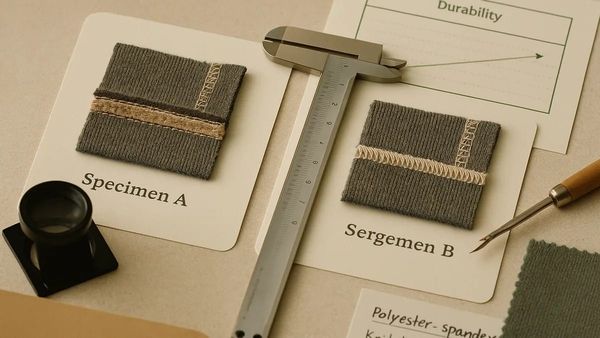
Maintenance is a practical consideration that is frequently underestimated. Elastane-based fabrics degrade with fabric softener use, which gradually diminishes both the compression quality and the moisture-management properties of the garment. Cold or warm machine washing without softener, and air drying rather than tumble drying, will extend the functional life of any compression top significantly.
For those competing under WKF or national federation rules, it is worth reviewing kit regulations before purchasing. Most competition formats permit plain base layers in white, black or club colours, but logo placement and size are sometimes restricted — a detail worth confirming with a governing body or head instructor before competition week.
The compression top purchase decision, viewed through the lens of karate training, is ultimately a question of specificity. Mainstream sportswear labels produce garments optimised for different bodies in motion. The movement patterns of karate — rotationally demanding, stance-dependent, alternating between stillness and intensity — require a base layer engineered with those mechanics in mind. Brands operating within the martial arts market, and designing with gi wear as their starting point, are the more reliable source of that engineering.
For practitioners who have previously relied on general sportswear options and found them lacking, the shift to a martial arts-specific supplier tends to resolve the most common frustrations without requiring significant additional expenditure.
Read More
This article has been published across multiple platforms. Read it where you prefer:
About Review-It
Review-It is an independent UK review publication covering products, brands, and the review industry itself. Every article follows a published methodology, is written without sponsorship, and is corrected openly when we get things wrong.